La serie de hoy es una comedia que se ha estado transmitiendo por cuatro temporadas ahora y parece que esta aqui para quedarse. Es una de las comedias mas vistas de america, vista por mas de diez millones de personas. La serie cuenta la vida de tres "tipicas" familias americanas y su historias de todos los dias. Aqui hay una breve sinopsis:
"When the Pritchett-Delgado-Dunphy family agrees to be interviewed by a documentary crew, they have no idea just how much they're about to reveal about themselves. Family patriarch Jay Pritchett met the stunning Colombian Gloria Delgado when she bartended in a bikini at the pool party he threw for himself the day his wife left him. Now Jay and Gloria are married and Jay tries hard to keep up with his much younger and hotter wife and her passionate teenage son, Manny. Jay's daughter, Claire, is having a hard time raising her own family. Her husband Phil is great, except for the fact that he thinks he's "down" with their teenage kids, much to their embarrassment. Claire's brother Mitchell and his enthusiastic partner Cameron have just adopted Lily, a precious little baby girl from Vietnam. But when everyone gets together, things are bound to get awkward. Especially after Claire and Mitchell hilariously bag on everyone else in the family while they change the baby's diaper. Oops! Too bad they forgot about Lily's baby monitor.
But that's the thing about family: no matter how badly you behave, hopefully they'll forgive... or maybe even forget. In the tradition of The Office, this engaging new comedy offers a 'mockumentary' view into the complicated, messy, loving life of a modern day super-extended family. Steven Levitan (Just Shoot Me) and Christopher Lloyd (Frasier) invite you into the sometimes warm and sometimes twisted embrace of someone else's family."
Y aqui esta el trailer:
Ahora el canal ABC esta retransmitiendo la cuarta temporada de la serie y nos ha dejado algunos momentos muy graciosos, con Gloria (Sofia Vergara) como protagonista en algunos de ellos. Aqui os dejo un video de sus errores de pronunciacion mientras habla ingles:
Queria hacer una grammar tip some un error muy interesante que mucha gente comete. Es la diferencia entre "HAVE GOT" y "HAVE" en el simple present, y la verdad es, que no hay practicamente ninguna cuando los usamos en el simple present. Pero hay un gran error en la forma en que la gente los usa. Asi que aqui esta. grammar tip del dia, "Have got/Have":
Las expresiones "has got" y "have got" son de alguna manera informales y algunas veces aparecen en su version contraida, como en “He’s got” y en “They’ve got.” Aunque esta expresion ha sido tachada como una innecesaria sustitucion del verbo "To have", es una expresion perfectamente idiomatica. Esta solo añade enfasis. En ingles americano, “have got” es una forma con mas enfasis de usar "To have". Por ejemplo, si decimos “I’ve got a really big TV,” pongo mas enfasis en el factor del tamaño de mi TV que si digo “I have a really big TV.” Si dices "I haven’t got any money", pones enfasis en el factor de que estar arruinado. Ten en cuenta que solo puedes usar “has got” o “have got” solo en present tense.
Si quieres hablar sobre tu enorme TV en past tense, dirias “I had a really big TV.” en lugar de "I had got a really big TV".
Simple present: "Have" and "Have got"
Los verbos "To have" o "Have got" indican posesion, que algo pertenece a la persona de la que hablas. Ejemplos:
I have a beautiful house / Yo tengo una casa bonita
They have got so many friends / Ellos tienen muchisimos amigos
We have a new computer / Nosotros tenemos un ordenador nuevo
She has got a blue car / Ella tiene un coche azul
He has a lot of movies / El tiene muchas peliculas
Estos pueden indicar deber, resposabilidad. Ejemplos:
You have to clean the house / Tu tienes que limpiar la casa
I have got to go to school everyday / Yo tengo que ir a la escuela todos los dias
Shehas to work 6 days a week / Ella tiene que trabajar 6 dias a la semana
We have got to do our homework this afternoon / Nosotros tenemos que hacer los deberes esta tarde
En afirmativa, negativa e interrogativa, "To have" es usado como cualquier otro verbo. Ejemplo:
We have a new computer / Nosotros tenemos un ordenador nuevo
I don't have a beautiful house / Yo no tengo una casa bonita Does she have to work 6 days a week? No, she doesn't. / Tiene ella que trabajar 6 dias a la semana?
Pero para "Have got", nosotros tenemos que hacer un pequeño cambio.
En afirmativa, lo usamos como un verbo normal. Ejemplos:
We have got to do our homework this afternoon / Nosotros tenemos que hacer los deberes esta tarde
She has got a blue car / Ella tiene un coche azul
I have got to go to school everyday / Yo tengo que ir a la escuela todos los dias
They have got so many friends / Ellos tienen muchisimos amigos
Pero en negativa, en lugar de usar el verbo "To do" como un auxiliar, cambiamos "Have got" para formar la negativa. Asi, en lugar de decir "I don´t have got a house", diriamos "I haven't got a house". Ejemplos:
We haven't got to do our homework this afternoon / Nosotros no tenemos que hacer los deberes esta tarde
She hasn't got a blue car / Ella no tiene un coche azul
I haven't got to go to school everyday / Yo no tengo que ir a las escuela todos los dias
They haven't got so many friends / Ellos no tienen muchisimos amigos
En interrogativa, en lugar de usar el verbo "To do", ponemos "have" al principio de la pregunta. Ejemplos:
Have we got to do our homework this afternoon? / Tenemos nosotros que hacer los deberes esta tarde? Hasn't she got a blue car? / Tiene ella un coche azul? Have I got to go to school everyday? / Tengo yo que ir a la escuela todos los dias? Haven't they got so many friends? / No tienen ellos muchisimos amigos?
Decir "have got" es un poco mas fuerte que usar "must". Por ejemplo, si llego tarde, quizas le diga a mi amigo "I have got to go now," con enfasis en la palabra “got.” Cuando estamos hablando con amigos, quizas dejemos fuera la palabra "have", como en "I got to go now" o incluso diriamos “I gotta go now.” Estas dos son expresiones consideradas ingles coloquial y no deberias usarlas en ingles formal, como en un examen, o en un trabajo. Puedes usar "must" o "have to" en su lugar.
A veces "have got” es usado en lugar de “have” dependiendo del lugar de donde eres. En ingles americano, "have" es mas usado que en ingles britanico.” Por ejemplo, en Reino Unido. probablemente escucharas mas la pregunta “Have you got this book in stock?” mientras en America, “Do you have this book in stock?” seria mas comun. Como ya he dicho, es perfectamente correcto decir “have got” si estas en America, aunque es menos comun que "have". Incluso menos formal que "have got" — y probablemente cuestionado por la mayoria de los gramaticos— es simplemente "got". Pero "He got" es una muy, muy coloquial forma de decir "He has".
Vamos a verlo con algunos ejemplos:
Sweeney Todd: The Demon Barber of Fleet Street: HAVE A LITTLE PRIEST
MRS. LOVETT
That's all very well, but what we gonna do about him?
SWEENEY TODD
Later on when it's dark, we'll take it to some secret place and bury him
LOVETT
Oh yeah. Of course we could do that. I don't 'spose he's got any relatives gonna come pokin' 'round lookin' for him.
Seems a downright shame...
TODD
Shame?
LOVETT
Seems an awful waste...
Such a nice, plump frame
Wot's 'is name has...
Had... Has
Nor it can't be traced...
Bus'ness needs a lift,
Debts to be erased...
Think of it as thrift,
As a gift,
If you get my drift
Seems an awful waste...
I mean, with the price of meat
What it is,
When you get it,
If you get it...
TODD
Ah!
LOVETT
Good, you got it!
Take, for instance, Mrs. Mooney and her pie shop!
Bus'ness never better using only pussycats and toast!
Now a pussy's good for maybe six or seven at the most!
And I'm sure they can't compare as far as taste!
TODD
Mrs. Lovett, what a charming notion
LOVETT
Well, it does seem a waste...
TODD
Eminently practical
And yet appropriate as always!
LOVETT
Think about it...
TODD
Mrs. Lovett, how I've lived
Without you all these years, I'll never know!
How delectable!
Also undetectable!
LOVETT
Lots of other gentlemen'll
Soon be comin' for a shave,
Won't they?
Think of
All them
Pies!
TODD
How choice!
How
Rare!
For what's the sound of the world out there?
LOVETT
What, Mr. Todd?
What, Mr. Todd?
What is that sound?
TODD
Those crunching noises pervading the air!
LOVETT
Yes, Mr. Todd!
Yes, Mr. Todd!
Yes, all around!
TODD
It's man devouring man, my dear!
BOTH:
Then who are we to deny it in here?
TODD
These are desperate times,
Mrs. Lovett, and desperate measures are called for!
LOVETT
Here we are, now! Hot out of the oven!
TODD
What is that?
LOVETT:
It's priest. Have a little priest.
TODD
Is it really good?
LOVETT
Sir, it's too good, at least!
Then again, they don't commit sins of the flesh,
So it's pretty fresh.
TODD
Awful lot of fat.
LOVETT
Only where it sat.
TODD Haven't you got poet, or something like that?
LOVETT
No, y'see, the trouble with poet is
'Ow do you know it's deceased?
Try the priest!
Lawyer's rather nice.
TODD
If it's for a price.
LOVETT
Order something else, though, to follow,
Since no one should swallow it twice!
TODD
Anything that's lean?
LOVETT
Well, then, if you're British and loyal,
You might enjoy Royal Marine!
Anyway, it's clean.
Though of course, it tastes of wherever it's been!
TODD
Is that squire, on the fire?
LOVETT
Mercy no, sir, look closer,
You'll notice it's grocer!
TODD
Looks thicker,
More like vicar!
LOVETT
No, it has to be grocer --
It's green!
TODD
The history of the world, my love --
LOVETT
Save a lot of graves,
Do a lot of relatives favors!
TODD
Is those below serving those up above!
LOVETT
Ev'rybody shaves,
So there should be plenty of flavors!
TODD
How gratifying for once to know
BOTH
That those above will serve those down below!
TODD
What is that?
LOVETT
It's fop.
Finest in the shop.
And we have some shepherd's pie peppered
With actual shepherd on top!
And I've just begun --
Here's the politician, so oily
It's served with a doily, Have one!
TODD
Put it on a bun.
Well, you never know if it's going to run!
LOVETT
Try the friar,
Fried, it's drier!
TODD
No, the clergy is really
Too coarse and too mealy!
LOVETT
Then actor,
It's compacter!
TODD
Ah but always arrives overdone!
I'll come again when you have judge on the menu!
Have charity towards the world, my pet!
LOVETT
Yes, yes, I know, my love!
TODD
We'll take the customers that we can get!
LOVETT
High-born and low, my love!
TODD
We'll not discriminate great from small!
No, we'll serve anyone,
We'll serve anyone
BOTH
And to anyone
At All!
Amy Walker: DO YOU HAVE AN ACCENT?
AMY WALKER
Hello, I'm Amy Walker from third man news. Obviously I've had some vocal training to enable me to sound like I'm from nowhere. But today, we're gonna go find some people who are from somewhere, or at least, sound like they are from somewhere?
May I have your name?
MAN
Sherman
AMY WALKER
And where are you from Sherman?
MAN
I live in Nashville
AMY WALKER
So, Do you have an accent?
MAN
No
WOMAN
Well, I never though we did, but I remember one time visiting our relatives in Texas and they told me I had a terrible accent.
...
AMY WALKER (1:05) Do you have any favourite accents?
Hola a todos! Hoy estoy aqui con el primer post de acentos del blog. Para aquellos de vosotros interesados en reducir, cambiar o deshacerse de vuestro acento, os podria ayudar. El acento de hoy es americano, pero hay muchisimos acentos diferentes he intentare postear un accent training para la mayoria de ellos. Asi que aqui esta, amercian accent training post: Lo primero de todo, necesitamos saber que es un acento:
"An accent is the way of pronunciation of a speaker with shared characteristic of a certain locality within the community. It is a manner of pronunciation peculiar to a particular individual, location, or nation. An accent may identify the locality in which its speakers reside , the socio-economic status of its speakers, their ethnicity, their caste or social class, their first language (when speaking a second language imperfectly), and so on."
Si tu primer idioma es el ingles, estas de suerte! Sera mas facil para ti el cambiar o transformar tu acento en otro. Pero si tu primer idioma no es el ingles, y quieres cambiar tu acento, no te desesperes porque se puede hacer, aunque te llevara mas tiempo y paciencia. Si el ingles es no es tu lengua materna, tiene que ser una obsesion para ti si quieres reducir tu acento. Tienes que ver peliculas, pausarlas, escuchar atentamente, repetir he intentarlo tanto como puedas, mejor que te guste o probablemente te rendiras! Eso es por lo que este blog puede ayudarte. Ve a un video del blog que te guste, miralo y lee el guion, repite, intenta imitar la melodia y el ritmo de los hablantes, intenta decir las palabras de la misma manera. Lleva mucho tiempo, pero si realmente quieres conseguirlo, tu puedes. La actriz americana Amy Walker ha hecho un american accent training y lo subio a internet. Deberiamos estarle agradecidos pues se ha tomado el tiempo en hacerlo y en compartirlo con nosotros gratis. Puedes encontrar mas videos e informacion sobre ella en su website www.amywalkeronline.com y en su blogwww.21accents.com. Esta es la hoja con la que trabajaremos en este accent training.
Aqui hay una pequeña introduccion:
American accent training by Amy Walker: intro to the series
Antes de empezar, mejor que calentemos! Este es el video de calentamiento, recomiendo altamente que lo hagas antes de empezar con los videos porque ayuda a ponerte en contexto para empezar y es divertido tambien! Aqui esta, Warm up video:
American accent training by Amy Walker, Part one: Vowels Una de las partes mas importantes de un acento en ingles son las vocales. Mira como ella lo hace, como pronuncia, escucha detenidamente, repite, pausa y disfruta, probablemente tengas que hacerlo muchas veces!
American accent training by Amy Walker, Part two: Consonants and letter combinations and omissions Tambien las consonantes son muy importantes cuando intentas cambiar o modificar tu acento, practicalas todas, tantas veces como quieras.
American accent training by Amy Walker, Part three: The melody La melodia influye mucho en la modificacion de tu acento extranjero, intenta imitarla y recuerda, repetir es la clave!
American accent training by Amy Walker, Part four: The rhythm Y tras la melodia, viene el ritmo. Hablas demasiado rapido? Uno de los mayores problemas para hablantes extranjeros de ingles es que hablan demasiado rapido. Pero no te preocupes, lo conseguiras siguiendo sus instrucciones.
American accent training by Amy Walker, Part five: The vibe Como se siente el ser americano? Para sonar americano (o cualquier otro acento) tienes que SER americano, tienes que creertelo, quieres estar comodo hablando con tu nuevo recien adquirido acento para que asi podamos creer que suenas como un americano (o cualquier otro acento que estes tratando de adquirir).
Bien hecho! Lo conseguiste!
Has visto las cinco partes del turorial Standard American Accent, ahora Amy Walker ha hecho un video especialmente para ti: American accent training by Amy Walker, Bonus: Different American accents
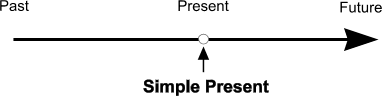
Hola a todos, La leccion de gramatica de hoy es el presente simple. Tras la primera leccion de gramatica, que espero que casi todos sepais ya, ahi va la segunda. Asi que aqui esta, el presente simple: Cuando usar el presente simple El presente simple expresa una accion en el presente que toma lugar una vez, varias o incluso nunca. Tambien es usado para acciones que vienen una tras otra y por acciones que estan programadas en un horario o programa. Tambien puede ser algo que una persona normalmente olvida o no hace. Ejemplos:
I play tennis / Yo juego al tenis. She does not play tennis / Ella no juega al tenis. Does he play tennis? / Juega el al tenis? The train leaves every morning at 8 AM / El tren sale todas las mañanas a las 8 AM. The train does not leave at 9 AM / El tren no sale a las 9 AM. When does the trainusually leave? Cuando sale normalmente el tren? She always forgets her purse Ella siempre olvida su bolso. He never forgets his wallet / El nunca olvida su cartera. Every twelve months, the Earth circles the Sun / Cada doce meses, la Tierra gira alrededor del sol. Doesthe Sun circle the Earth? / Gira el sol alrededor de la Tierra?
La forma positiva del presente simple se forma por el verbo en tiempo presente, pero cambia en función de la persona sobre la que estás hablando. Para I/You/We/They el verbo permanece sin modificaciones, pero para She/He/It se añade una terminacion -S a la palabra. Ejemplos:
They go to school everyday / Ellos van a la escuela todos los dias. He likes ice cream very much / A el le gusta el helado. We have a lot of work today / Nosotros tenemos un monton de trabajo hoy. I live in London, but my parents don´t/ Yo vivo en Londres, pero mis padres no. She cries* every time she fails a test / Ella llora cada vez que ella suspende un examen.
*Hay veces que en lugar de solo una -S al final de la palabra, añadiremos una terminacion -ES, como en finishes, cries, tries, goes, does, etc... Ejemplos:
She goes to the beach once a week / Ella va a la playa una vez a la semana. He tries to train at least one hour per day / El intenta entrenar al menos una hora al dia. She always finishes early / Ella siempre termina pronto.
La forma negativa del presente simple usa el verbo "To do" como un verbo auxiliar, y tambien cambia dependiendo de la persona sobre la que estamos hablando. Asi, "do not" o "don't" se usan con I/You/We/They y "does not" o "doesn't" se usan con She/He/It. Ejemplos:
They don't go to school everyday / Ellos no van a la escuela todos los dias. He doesn't like ice cream / A el no le gusta el helado. We do not have a lot of work today / Nosotros no tenemos mucho trabajo hoy. I don't live in London, but my parents do / Yo no vivo en londres, pero mis padres si. She does not cry every time she fails an test / Ella no llora cada vez que suspende un examen. She doesn't go to the beach once a week / Ella no va a la playa una vez a la semana. He does not try to train at least one hour per day / El no intenta entrenar al menos una hora al dia. She doesn't always finish early / Ella no siempre acaba pronto.
En la forma interrogativa del presente simple, el verbo "To do" esta situado como un verbo auxiliar al principio de la pregunta, y cambia dependiendo de la persona sobre la que estemos hablando. Asi, "Do" o "Don't" se usan con I/You/We/They y "Does" o "Doesn't" se usan con She/He/It. Se usa "Do/Does" para preguntas afirmativas y "Don't/Doesn't" para negativas. Ejemplos:
Do they go to school everyday? Affirmative question / Van ellos a la escuela todos los dias? Doesn't he like ice cream? Negative question / No le gusta a el el helado? Do we have a lot of homework today? Affirmative question / Tenemos nosotros muchos deberes hoy? Don't we live in London? Negative question / No vivimos nosotros en Londres? Does she cry every time she fails a test? Affirmative question / Llora ella cada vez que ella suspende un examen? Does she go to the beach once a week? Affirmative question / Va ella a la playa una vez a la semana? Doesn'the try to train at least one hour per day? Negative question / No intenta el entrenar al menos una vez a la semana? Does she always finishearly? Affirmative question / Termina ella siempre pronto?
Para la repuesta a las preguntas, se usa el verbo auxiliar usado en la pregunta. Se responde afirmativamente diciendo "Yes, I/You/We/They do" o "Yes, She/He/It does" y en de forma negativa diciendo "No, I/You/We/They don't" o "No, She/He/It doesn't". Ejemplos:
Do they go to school everyday? Yes, they do / Van ellos a la escuela todos los dias? Si, ellos van. Don't we live in London? No, we don't /No vivimos nosotros en Londres? No, nosotros no vivimos. Doesn'the try to train at least one hour per day? Yes, he does / No intenta el entrenar al menos una vez a la semana? Si, el lo intenta.
*Recuerda que las terminaciones -S al final del verbo de She/He/It siempre se quitan en las formas interrogativas y negativas. Asi, no seria "She doesn't always finishes early", sino "She doesn't always finish early" y seria "Does she buy fruits once a week?" en lugar de "Does she buys fruits once a week?".
Ademas, tambien usamos el presente simple para hablar de eventos programados en un futuro cercano. Esto se hace normalmente con transporte publico, pero puede ser usado con otras actividades programadas. Ejemplos:
The train leaves tonight at 6 PM / El tren sale esta noche a las 6 PM.
The bus doesn't arrive at 11 AM, it arrives at 11 PM / El autobus no llega a las 11AM, llega a las 11PM
When dowe board the plane? / Cuando embarcamos en el avion?
The party starts at 8 o'clock / La fiesta empieza a las 8 en punto.
When does class begin tomorrow? / Cuando empieza la clase mañana?
Vamos a ver unos ejemplos de como usarlo en conversaciones:
Suburgatory, Episode 1x01: ARE YOU CALLING MY BRA UGLY?
DALIA
That's so lame your mom died, beyotch.
TESSA
My mom, heh, didn't die. She's just gone.
DALIA
So you became a lesbian to get back at her.
TESSA
What?
DALLAS
Tessa? If you need any help
or you have any questions or you feel lost
or unattractive in any way just let me know.
TESSA
I know why we're doing all this. It´s because your mom feels sorry for me.
DALIA
No. It's because my mom wants to screw your dad.
TESSA
Doesn't your mom screw your dad?
DALIA
Heh, no.
DALLAS The suspense is killing me. I'm dying to see how cute you girls look.
DALIA I'm buying* this
DALLAS Oh, my godness, Tessa. Look at you. That is a keeper. That top is just off to the chizzy, is it not? This is going* straight to the register. Oh dear Lord, Who did this to you?
TESSA This? I ordered it from a sporting-goods catalogue. What's the problem?
DALLAS Well, it's downright orthopedic. It's like a giant ACE bandage. Like something a burn victim would wear.
TESSA
Are you calling my bra ugly?
DALLAS
Yes, honey, I am because it is ugly. And I would love to find one for you
that isn't. Along with a nice heterosexual dress shoe. Queria poner el mismo video solo para que podais ver como todo esta mezclado y no hay solo un tiempo verbal siendo usado en cada conversacion, sino casi todos.
Vamos a explicarlo brevemente:
Presente simple usado como una accion ocurriendo en el presente pero no duradera en un periodo exacto de tiempo, SUBRAYADO:
DALLAS
Tessa? If you need any help
or you have any questions or you feel lost
or unattractive in any way just letme know. (0:19)
TESSA
I know why we're doing all this. It´s because your mom feels sorry for me.
DALIA
No. It's because my mom wants to screw your dad.
TESSA
Doesn't your mom screw your dad?
DALIA
Heh, no*. (0:29)
*Aun cuando no es gramaticalmente correcto responder a una pregunta con un si o un no, sin el auxiliar utilizado para hacer la pregunta, se hace en un estilo informal y se utiliza por todo el mundo en Inglés. Así Dalia dice "no" en lugar de "no, she doesn't" porque es INGLES HABLADO, es un lenguaje y se utiliza de diferentes maneras, pero si te diriges a un contexto mas formal, como un examen de Inglés, o un ensayo o algo serio, las preguntas siempre tienen que ser respondidas con el auxiliar utilizado en la pregunta. Por ejemplo, en la pregunta "Does she believe it?" la respuesta formalmente sería "Yes, she does" o "No, she doesn't", pero de manera informal, se puede decir "yes" o "no" y no habría ningún problema!
Suburgatory, Episode 1x08: SO NOW WE DON'T SIT DOWN?
DALLAS
So now we don't sit down?
TESSA
No, we don't sit down,
'cause we have places to go.
DALLAS
And yet we don't hail a cab?
TESSA No, we don't hail a cab. As we walk, we fold, drip, and bite. DALLAS Oh, that's just filthy. Is that part of it? TESSA That lying son of a.... BOTH Bitch!
Aqui puedes encontrar tambien algunos ejemplos de presente simple. Aunque aqui las preguntas son realizadas de modo informal, cambiando la forma de la pregunta, como en:
DALLAS So now we don't sit down? (0:01)
DALLAS
And yet we don't hail a cab? (0:05)
Asi que aqui, en lugar de decir "So now, don'twe sitdown?", la pregunta es hecha como si fuese una oracion afirmativa "So now we don't sit down?" pero eso es muy, muy informal y no recomiendo que lo uses si hasta que no alcances un nivel alto de ingles. Puedes usarlo en situaciones informales, pero nunca lo uses en un examen o un trabajo, porque puede no ser dado por valido.
Como normalmente el domingo es el día en que este programa de televisión se emite, quería hacer el segundo post de una serie. Desde que el primer episodio fue lanzado el 31 de octubre de 2010, The Walking Dead se ha convertido en un fenómeno mundial. Con su última emisión el pasado domingo, ha batido su mejor marca y algunos de los récords de audiencia para una serie de cable, incluyendo la transmisión por televisión de mayor audiencia de cable en la historia. Aqui os dejo una breve sinopsis:
"Based on the comic book series of the same name, The Walking Dead tells the story of a small group of survivors living in the aftermath of a zombie apocalypse. Most of the story takes place in the Atlanta metropolitan area and then the surrounding countryside of northern Georgia, as the survivors search for a safe haven away from the shuffling hordes of predatory "walkers", who devour any living thing they catch, and whose bite is infectious to humans. The plot is focused primarily on the dilemmas the group faces as they struggle to balance their humanity with their survival against the zombie horde, and later, how they cope with members' being killed and deal with other human survivors they encounter, many of whom are dangerous and predatory themselves.
The group is led by Rick Grimes, who was a sheriff's deputy before the zombie outbreak. At every turn they are faced with the horror of the walking zombies, the changing dynamic of their group, and hostility from the scattered remains of a struggling human populace who are focused on their own survival now that the structures of society have collapsed."
Y aqui esta el trailer:
Ahora AMC está en el medio de transmitir la tercera temporada y se está volviendo más y más interesante con cada episodio! Aquí os dejo el trailer de la tercera temporada del show:
Espero que os guste! Think you understand it? Click here!
Asi que aqui estamos, con la primera leccion de gramatica del blog. Aunque no queria postear gramatica cuando pense en escribir el blog, creo que es util para todos nosotros el echarle un vistazo a traves de videos y algunos ejemplos. Asi que alla vamos, el verbo "To be":
El verbo "To be" es uno de los verbos mas cambiantes de todo el idioma ingles, constantemente cambiando de forma, a veces incluso con un patron dificil de reconocer. Considerando que lo usamos muchisimo, es realmente malo que el verbo "To be" sea el mas irregular y resbaladizo de los verbos del idioma.
Dependiendo de la oracion que intentes formar, lo encontraras de una forma u otra:
Tiempo presente
I am
We are
You are
You are
He/She/It is
They are
Tiempo pasado
I was
We were
You were
You were
He/She/It was
They were
Participio pasado
I have been, etc.
Gerundio
I am being, etc.
Tambien es usado para decir lo que eres, a que te dedicas, de donde eres, etc... Ejemplo:
I am an architect / Yo soy arquitecto
Sheis a doctor / Ella es doctora
We are all students / Nosotros somos todos estudiantes
They are not from here / Ellos no son de aqui
He isa happy person / El es una persona feliz
Simple Questions:
Creamos simples preguntas de si/no invirtiendo el orden del sujeto y el verbo "To be"
Is your brother taller than you? / Es tu hermano mas alto que tu?
Am I bothering you? / Estoy yo molestandote a ti?
Werethey embarrassed by the comedian? Fueron ellos avergonzados por el comico?
El verbo "To be" funciona frecuentemente en conjuncion con otro verbo:“He is playing the piano” (El esta tocando el piano), “She will be arriving this afternoon.” (Ella estara llegando esta tarde). Ocasionalmente, aun asi, el verbo ira solo en una oracion. Esto se da especialmente en respuestas a preguntas simples y breves.
“Who's going to the movies with me?” / ¿Quien va a venir conmigo al cine hoy?
“I am” / Yo voy.
“Who's responsible for this mess in the bathroom?” / ¿Quien es responsable de este desastre en el baño?
“Sheis.” / Ella es.
El verbo "To be" se empareja con otro verbo en gerundio (terminacion -ING) para formar el Present continuous.
Present Continuous
Se usa en oracion que describen una accion que esta pasando ahora mismo. Ejemplo:
Iam studying right now, I cannot go out / Yo estoy estudiando ahora, yo no puedo salir.
They are sleeping upstairs, so don't bother them / Ellos estan durmiendo arriba, asi que no les molestes.
She wants to go with her friends, but sheis cleaningthe house. Ella quiere ir con sus amigos, pero ella esta limpiando la casa.
En forma afirmativa, el verbo "To be" va seguido de un verbo en gerundio (terminacion -ING). Ejemplo:
She is having a coffee at the coffee shop as usual / Ella esta tomando un cafe en la cafeteria como de costumbre.
We are driving fast because we're running a bit late / Nosotros estamos conduciendo rapido porque llegamos un poco tarde.
Theyare teaching us English, so we should pay attention / Ellos nos estan enseñando ingles, asi que deberiamos prestar atencion.
I'm readingthis book now, but I'm not* really into it / Yo estoy leyendo este libro, pero no me gusta mucho.
En forma negativa, el verbo "To be" aparece como "am not" o "I'm not" para I, "is not" o"isn't" para He/She/It y "are not" o "aren't" para You/We/They. Ejemplos:
She is not having a coffee at the coffee shop as usual, that'sweird / Ella no esta tomando un cafe en la cafeteria como de costumbre, eso es raro.
We aren't driving fast because we have plenty of time / Nosotros no estamos conduciendo rapido porque tenemos mucho tiempo.
They are not teaching us English, it´s math class now / Ellos no nos estan enseñando ingles, ahora es clase de matematicas.
I'm not reading this book now, I got tired of it / Yo no estoy leyendo este libro ahora, me canse de el.
En la forma interrogativa, el verbo "To be" es el principio de la pregunta, seguido por el sujeto y el verbo en gerundio (terminacion -ING). Ejemplo:
Is she havinga coffee at the coffee shop as usual? / ¿Esta ella tomando un cafe en la cafeteria como de costumbre?
Arewe driving fast because we don't have time?Estamos nosotros conduciendo deprisa porque no tenemos tiempo?
Aren'tthey teachingus English? ¿No nos estan ellos enseñando ingles?
*Aqui encuentras el verbo "To be" fuera de un Present continuous.
Vamos a ver algunos ejemplos de como usarlo en una situacion normal:
Suburgatory, Episode 1x01: ARE YOU CALLING MY BRA UGLY?
DALIA
That's so lame your mom died, beyotch.
TESSA
My mom, heh, didn't die. She'sjust gone.
DALIA
So you became a lesbian to get back at her.
TESSA
What?
DALLAS
Tessa? If you need any help
or you have any questions or you feel lost
or unattractive in any way just let me know.
TESSA
I know why we're doingall this. It´s because your mom feels sorry for me.
DALIA No. It's because my mom wants to screw your dad.
TESSA
Doesn't your mom screw your dad?
DALIA
Heh, no.
DALLAS
The suspense is killing me. I'm dying to see how cute you girls look.
DALIA
I'm buying* this
DALLAS
Oh, my godness, Tessa. Look at you. That is a keeper. That top is just off to the chizzy, is it not?
This is going* straight to the register.
Oh dear Lord, Who did this to you?
TESSA
This? I ordered it from a sporting-goods catalogue.
What's the problem?
DALLAS
Well, it's downright orthopedic. It's like a giant ACE bandage.
Like something a burn victim would wear.
TESSA
Are you calling my bra ugly?
DALLAS
Yes, honey, I am because it is ugly. And I would love to find one for you
that isn't. Along with a nice heterosexual dress shoe.
Asi que, despues del video, vamos a explicar lo que tenemos:
Verbo "To be"como un verbo normal. Esta marcado en NEGRITA:
DALIA
That's so lame your mom died, beyotch. (0:09)
DALLAS
Oh, my godness, Tessa. Look at you. That is a keeper. That top is just off to the chizzy, is it not? (0:44)
DALLAS
Yes, honey, I am because it is ugly. And I would love to find one for you
that isn't. (1:15)
Present continuous, el cual estasubrayado, y no olvides que es usado para expresar una accion que esta ocurriendo en el momento. Como en:
TESSA
I know why we're doingall this. It´s because your mom feels sorry for me. (0:27)
DALLAS
The suspense is killing me. I'm dying to see how cute you girls look. (0:39)
TESSA
Are you calling my bra ugly? (1:13)
DALLAS
Yes, honey, I am because it is ugly.(1:15)
Hay un par de oraciones maracadas con un * porque ahi, el Present continuous es usado como futuro. Como en:
DALIA
I'm buying* this (0:43)
DALLAS
This is going* straight to the register. (0:52)
Ademas, he tachado las frases que no eran necesarias para esta explicacion gramatica, porque pense que seria mejor concentrarse en esta parte.